
-
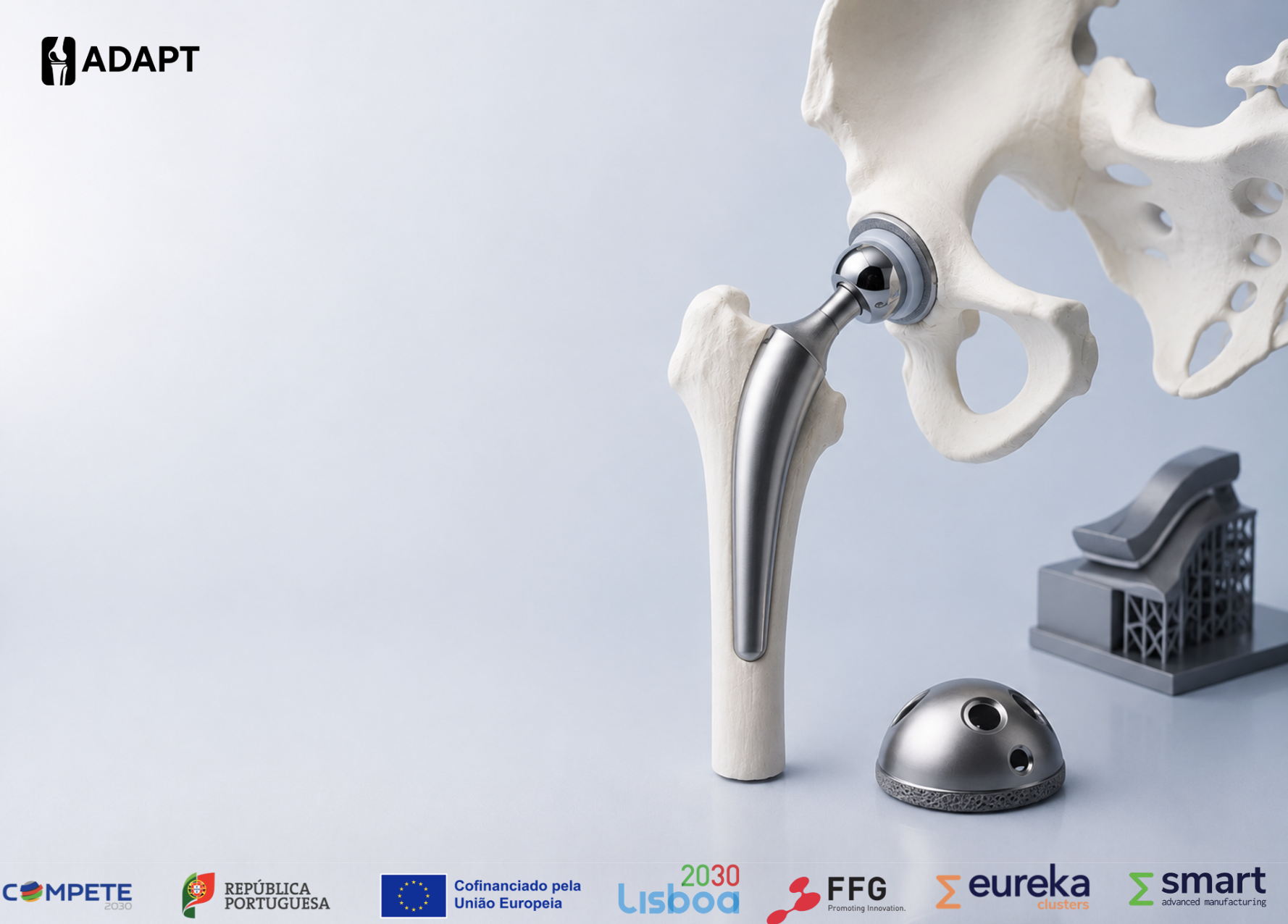
From Patient Anatomy to Customized Implants: How Generative Design Is Shaping Orthopedic Manufacturing
read: From Patient Anatomy to Customized Implants: How Generative Design Is Shaping Orthopedic ManufacturingWhat if an orthopedic implant could be designed around a patient’s specific anatomy from the very beginning? This question is at the heart of a broader transformation taking place in orthopedic manufacturing. Advances in medical imaging, artificial intelligence, generative design, and additive manufacturing are increasingly enabling the shift from standardized implant geometries to more personalized solutions. Within the ADAPT (Digital Manufacturing of Customized Orthopaedic Implants) project, these technologies are being…
-
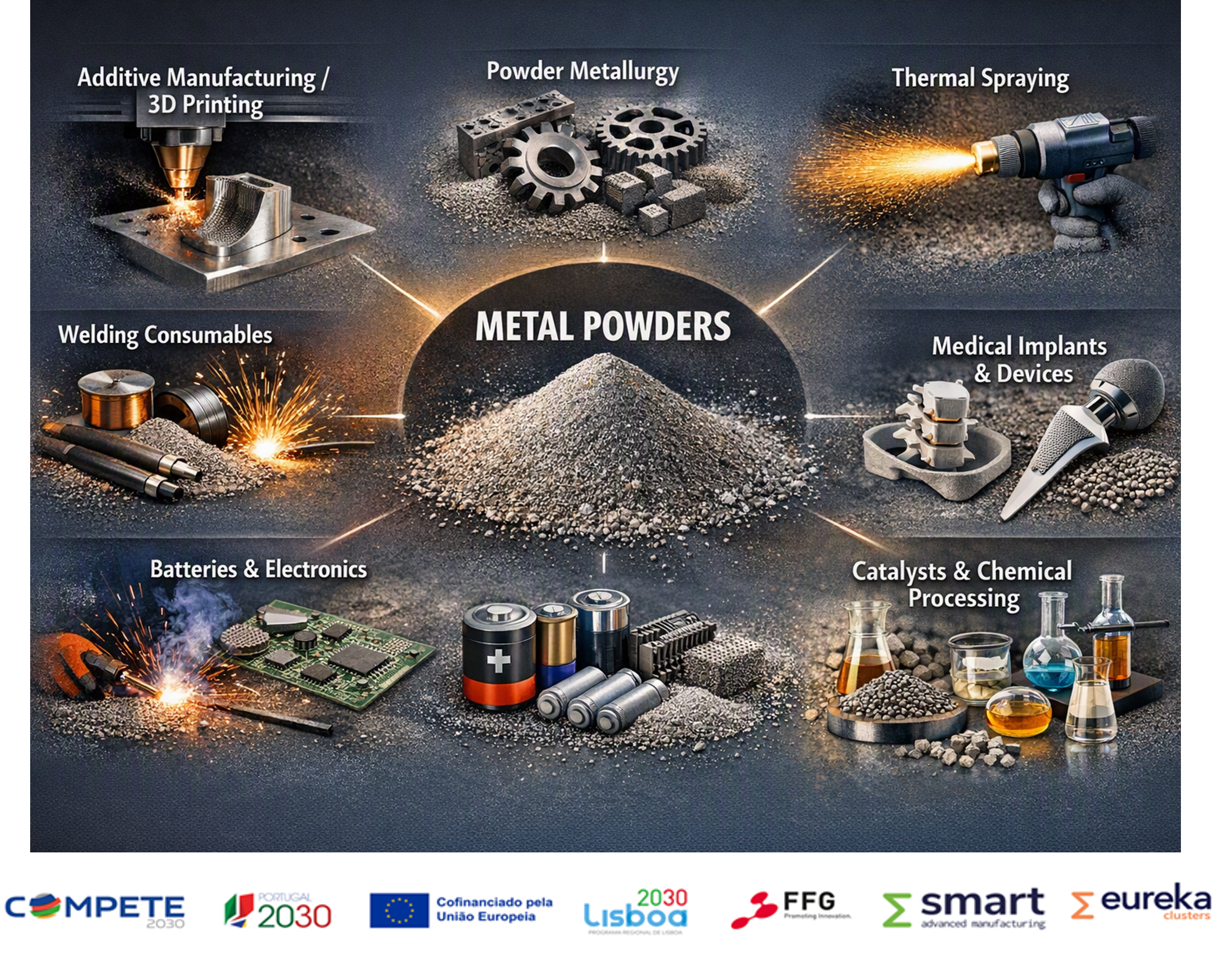
Metal Powder Recycling and Quality Control for Sustainable Manufacturing
read: Metal Powder Recycling and Quality Control for Sustainable ManufacturingWhen it comes to 3D printing customized orthopedic implants, the quality of the final implant starts long before the manufacturing process itself – it starts with the metal powder. As part of the ADAPT project, understanding how metal powders behave, how their quality can be assessed, and how they can be safely reused or recycled is essential to support reliable, efficient, and sustainable additive manufacturing. The characteristics of the powder…
-
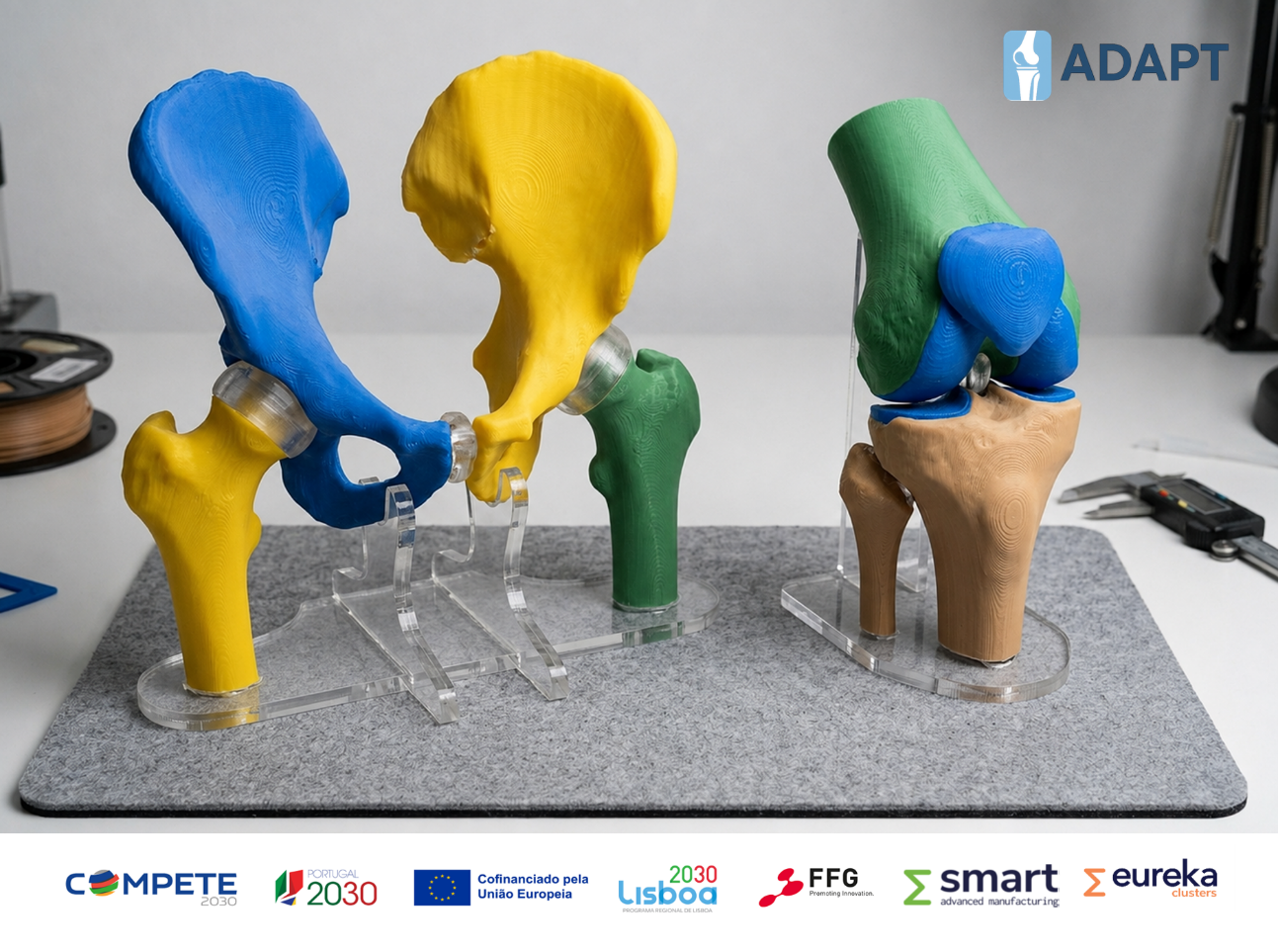
From Imaging to Surgical Planning: The Clinical Value of Bone Models in Personalised Arthroplasty
read: From Imaging to Surgical Planning: The Clinical Value of Bone Models in Personalised ArthroplastyPersonalised arthroplasty begins long before the operating theatre. It begins with understanding the patient’s anatomy in detail: the shape of the bone, the degree of deformity, the available bone stock, the alignment of the limb, and the specific challenges that may influence implant positioning and surgical execution. In ADAPT, anatomical bone models are not an isolated digital step: they are part of a broader clinical and manufacturing pathway designed to…
-
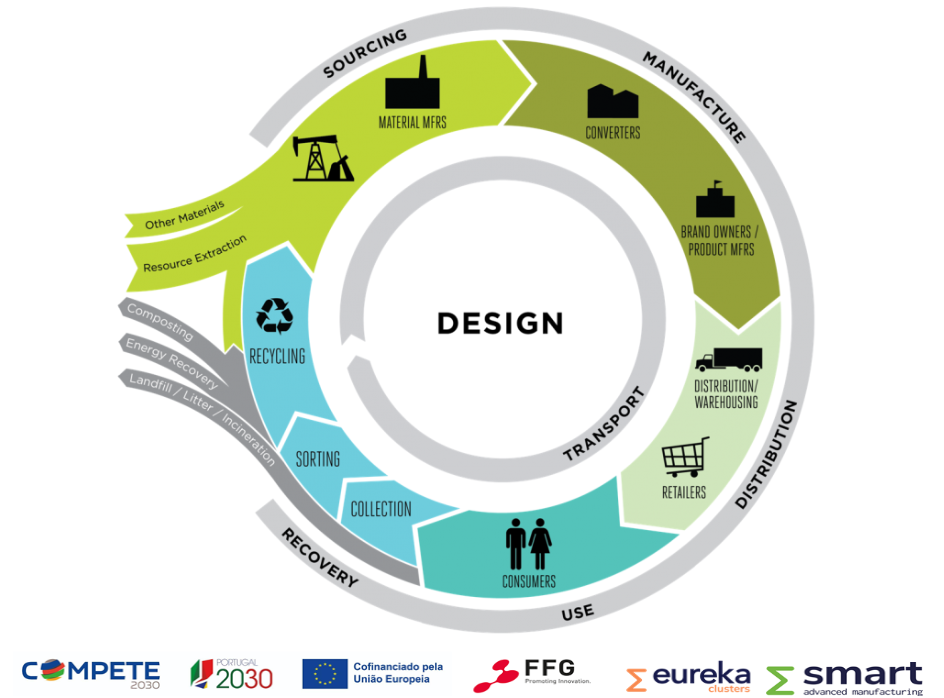
The price of health: life cycle assessment as a tool for sustainable development
read: The price of health: life cycle assessment as a tool for sustainable developmentFor a long time, limitations to product adoption focused on economic viability rather than on effects on the environment and society. With the growing awareness of the environmental consequences of rapid technological development, this is no longer acceptable. Everything has become important. The resources used in a process, water and energy among them, were always vital pieces of a complex technological puzzle. Now, they must be characterized according to source,…
-
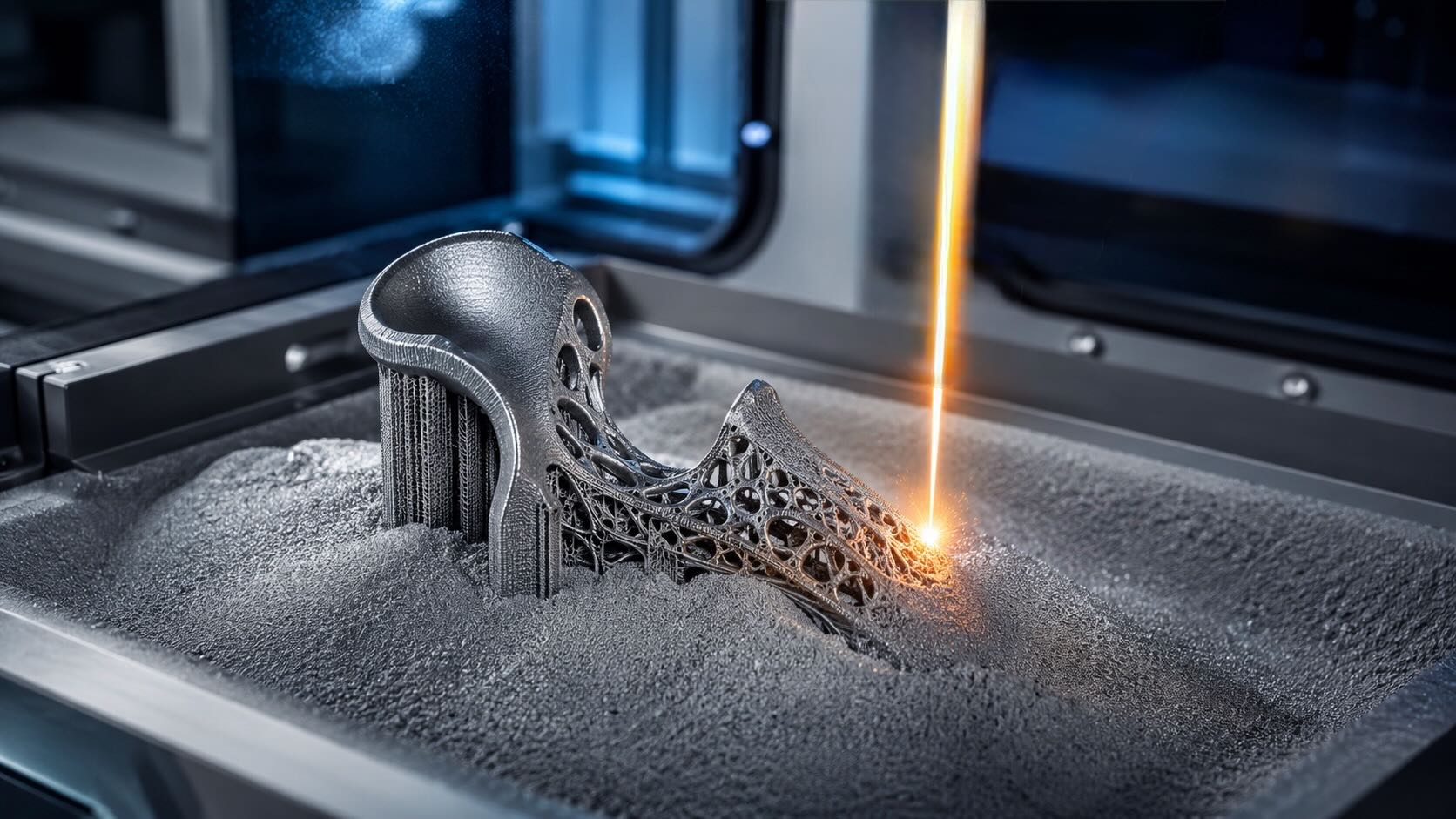
Understanding the Printing Process: From Laser-Based Manufacturing to Geometry-Adapted Parameters
read: Understanding the Printing Process: From Laser-Based Manufacturing to Geometry-Adapted ParametersAdditive manufacturing is changing the way complex metallic components can be designed and produced. Instead of removing material from a solid block, additive manufacturing builds parts layer by layer directly from digital 3D data. This approach is particularly attractive for medical applications, where implants often need to combine complex geometries, high mechanical performance and patient-specific design. Within the ADAPT project, the printing process plays a central role in transforming advanced…
-
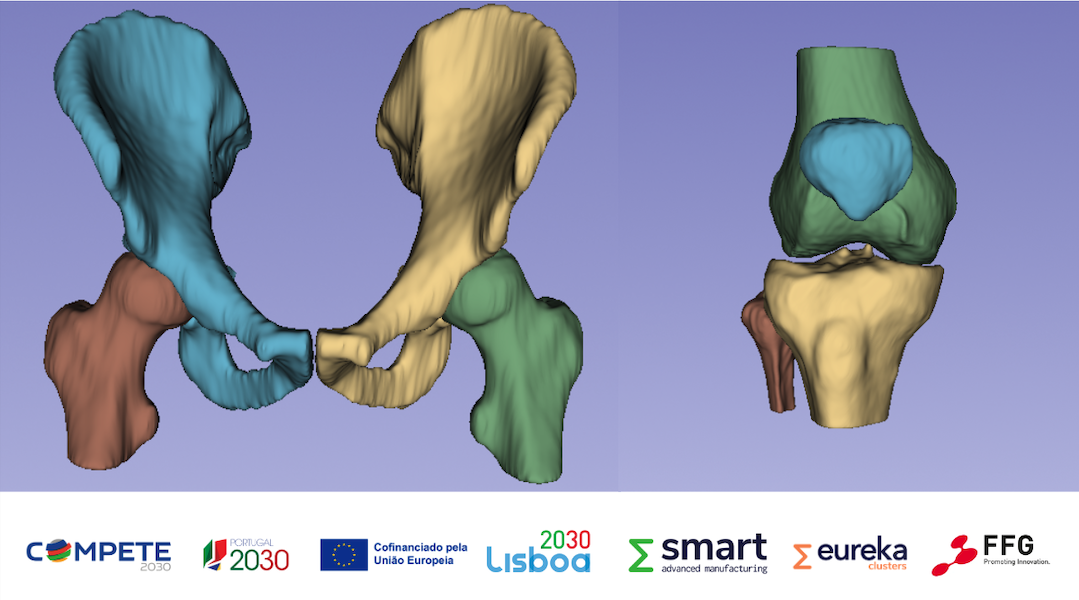
What Is Bone Segmentation and How Is It Used in Orthopedics?
read: What Is Bone Segmentation and How Is It Used in Orthopedics?Every orthopedic procedure – whether diagnosis, treatment decision-making, preoperative planning, or surgery – begins with a clear understanding of the patient’s anatomy. In the case of a joint replacement, before a customized implant can be chosen or designed, manufactured, and validated, there is one essential step: identifying the relevant anatomical structures from medical images. In a nutshell, the surgeon first needs to understand where the bone is, what shape it…
-
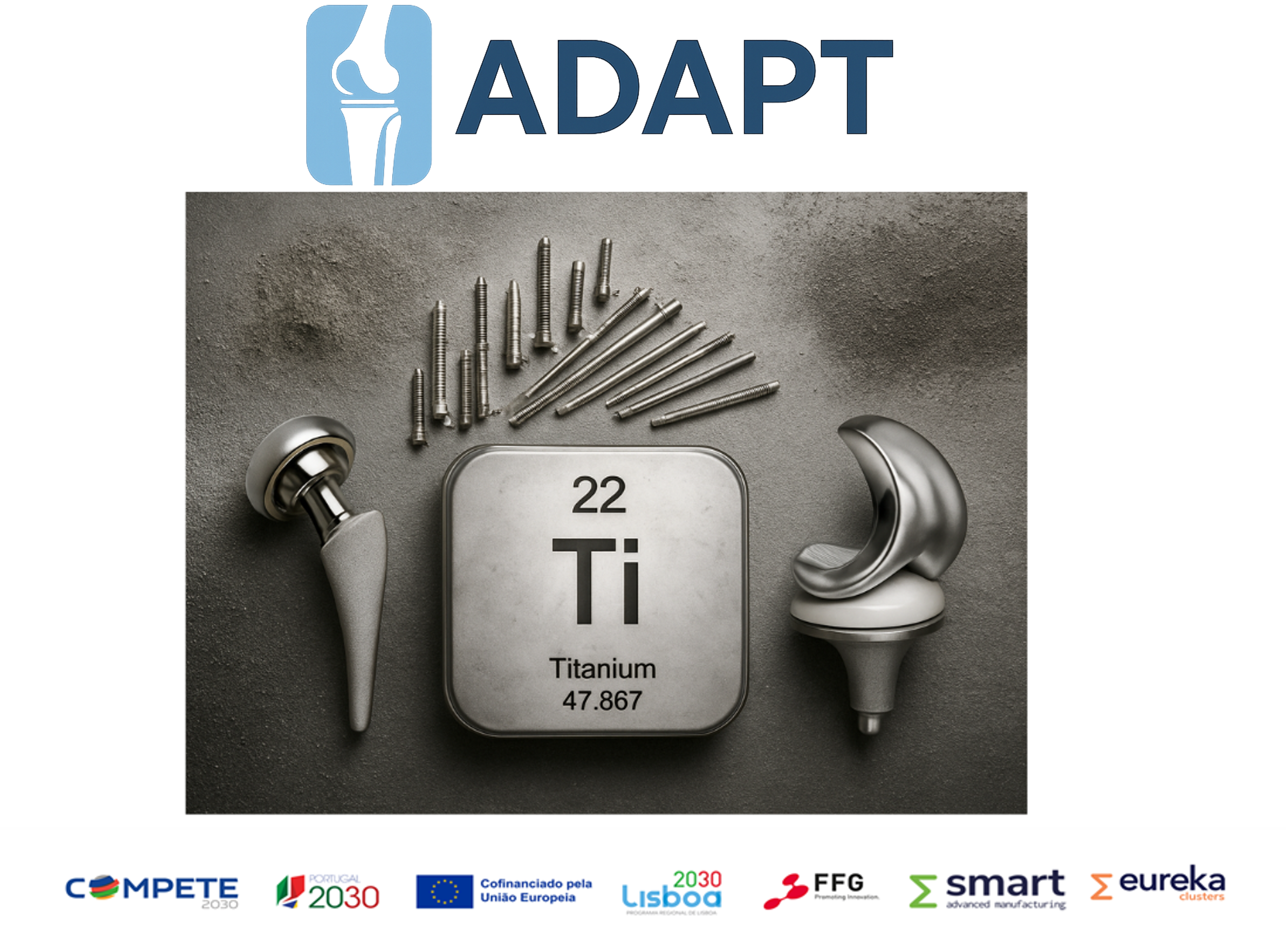
From Aerospace to Kneecaps: The Magic of Titanium Alloys
read: From Aerospace to Kneecaps: The Magic of Titanium AlloysEnvision a new era in medicine – one where implants are not only safer and more effective, but also engineered to the specific needs of every individual. The ADAPT project is leading this transformation, harnessing the power of advanced β-titanium alloy powders and state-of-the-art additive manufacturing to craft custom implants that truly fit each patient. This ground-breaking approach ensures better outcomes, faster recoveries, and a higher quality of life. Discover…
-

Osteoarthritis of the Hip and Knee: A Growing Global Burden and the Need for Smarter Orthopedic Solutions
read: Osteoarthritis of the Hip and Knee: A Growing Global Burden and the Need for Smarter Orthopedic SolutionsWhen Joint Degeneration Becomes a Life-Limiting Condition Osteoarthritis of the hip and knee is one of the most prevalent and disabling musculoskeletal conditions worldwide. Far from being a benign consequence of aging, hip and knee osteoarthritis represent a major public health and socioeconomic challenge, profoundly affecting mobility, independence, productivity, and quality of life. As populations age and life expectancy increases, the burden of joint degeneration continues to rise, placing unprecedented…
-
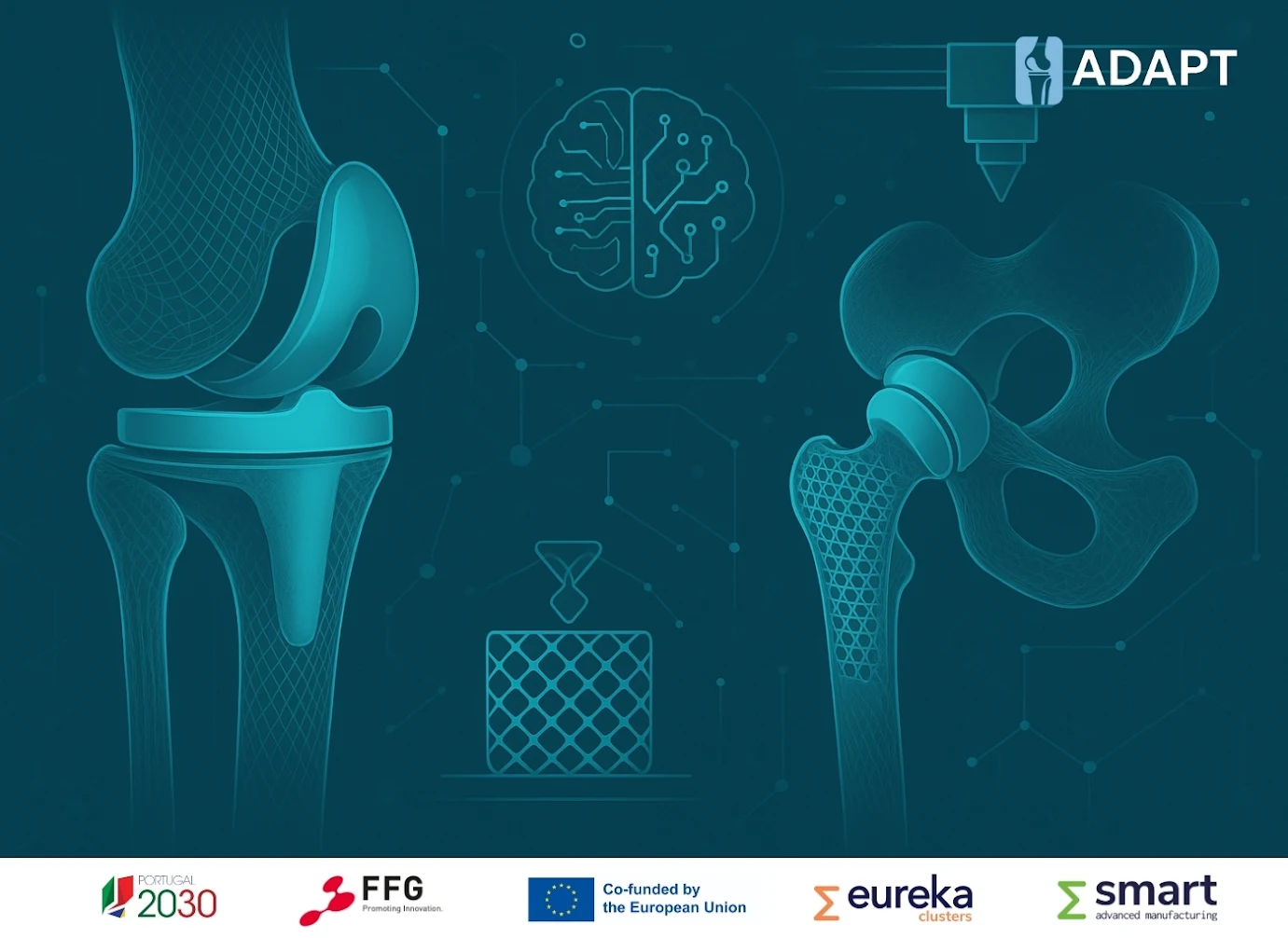
ADAPT Project: Advancing Personalized Orthopedic Implants Through Next-Generation Digital and Additive Manufacturing Orthopedic medicine is undergoing a profound transformation. As the population ages and the demand for joint replacement surgeries continues to rise, traditional implant manufacturing methods face new challenges with increasing levels of complexity, customization needs, and quality expectations. Standardized implants, typically produced in a limited number of sizes, often fail to perfectly match the anatomy of individual patients,…