

Digital Manufacturing of Customized
Orthopaedic Implants
ADAPT aims to integrate technological and digital advancements in the field of Advanced Manufacturing of Customized Orthopaedic Implants,
to face the high requirements (complex geometries and demanding structures) in the manufacturing of patient customized metallic implants
for the hip and knee.
AM – Solutions
The project implements and scales up a range of proposed solutions over the multiple stages of Additive Manufacturing (AM) from intelligent implant designs and advanced Powder Bed Fusion-Laser Beam (PBF-LB) technologies to post-processing and quality
control. AM comprises the best solution for the fabrication of complex geometries and building of bone scaffolds. The project addresses both
upstream (anatomy scans, 3D CADs) and downstream (post-processing, quality control) manufacturing stages that directly affect performance,
autonomy, and flexibility in industrial AM of metallic implants.


Material Implemetation
A step further, ADAPT addresses implant AM by introducing medical grade beta-Ti alloys with increased mechanical biocompatibility and achieving engineered porosities at microstructure scales through PBF-LB processing. The project’s digital advances achieve “First-Time-Right” approaches in AM, replacing “trial ‘n error”, reducing material-energy uses and the number of defects, with gains on the whole value chain.
ADAPT – Blog
Discover exciting contributions, innovative approaches, and the latest findings relating to the project.
-
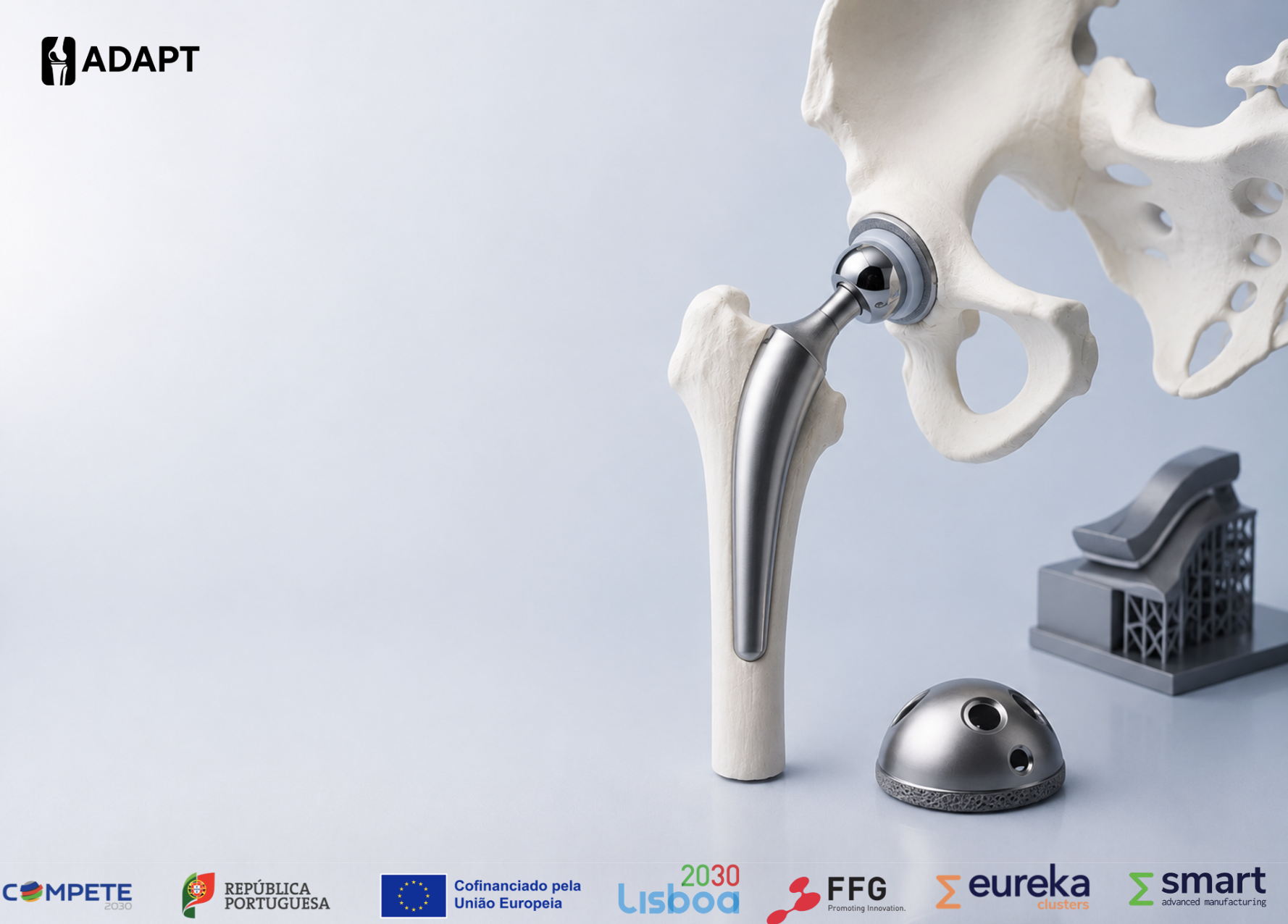
From Patient Anatomy to Customized Implants: How Generative Design Is Shaping Orthopedic Manufacturing
What if an orthopedic implant could be designed around a patient’s specific anatomy from the very beginning? This question is at the heart of a broader transformation taking place in orthopedic manufacturing. Advances in medical imaging, artificial intelligence, generative design, and additive manufacturing are increasingly enabling the shift from standardized implant geometries to more personalized solutions. Within the ADAPT (Digital Manufacturing of Customized Orthopaedic Implants) project, these technologies are being…
-
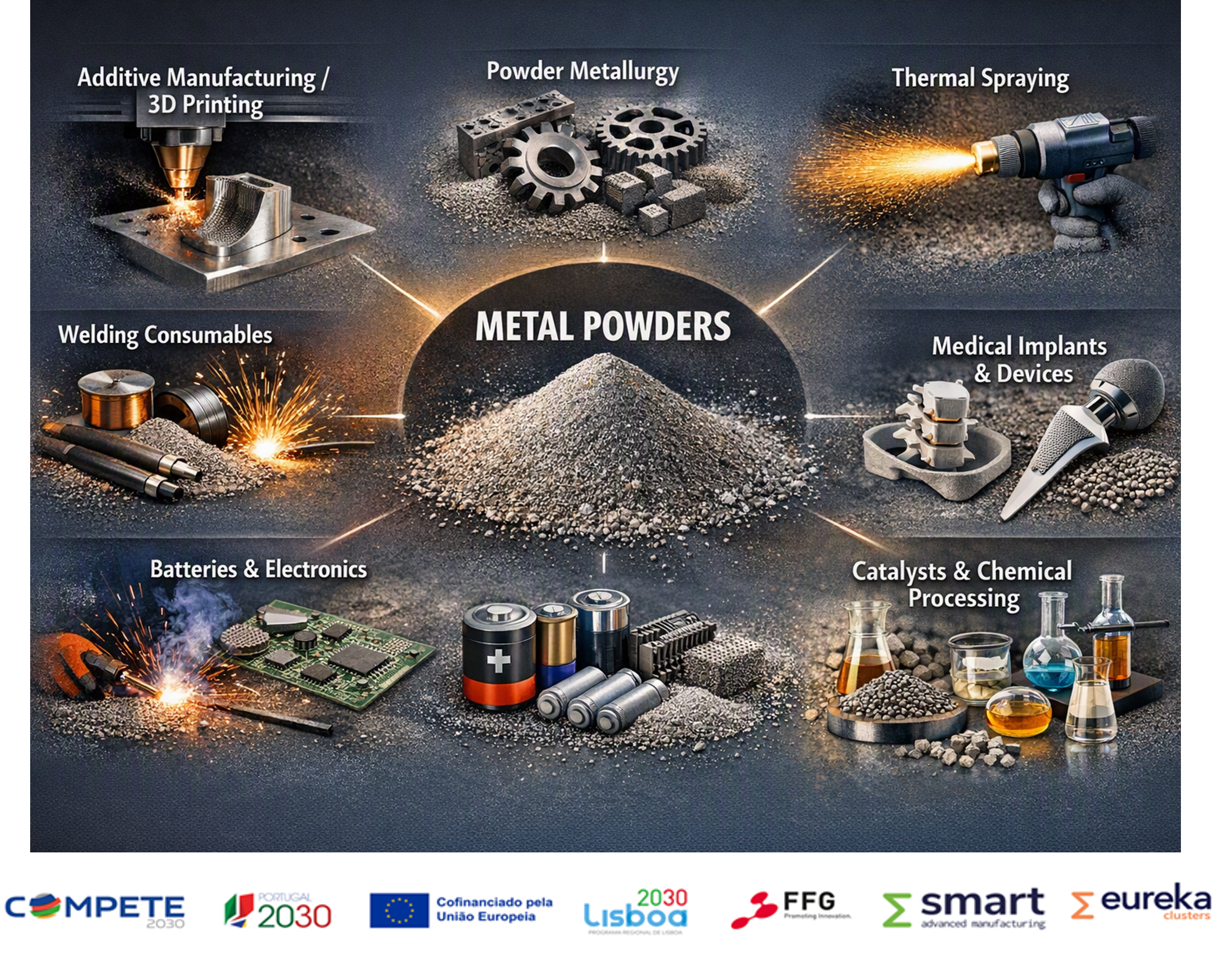
Metal Powder Recycling and Quality Control for Sustainable Manufacturing
When it comes to 3D printing customized orthopedic implants, the quality of the final implant starts long before the manufacturing process itself – it starts with the metal powder. As part of the ADAPT project, understanding how metal powders behave, how their quality can be assessed, and how they can be safely reused or recycled is essential to support reliable, efficient, and sustainable additive manufacturing. The characteristics of the powder…
-
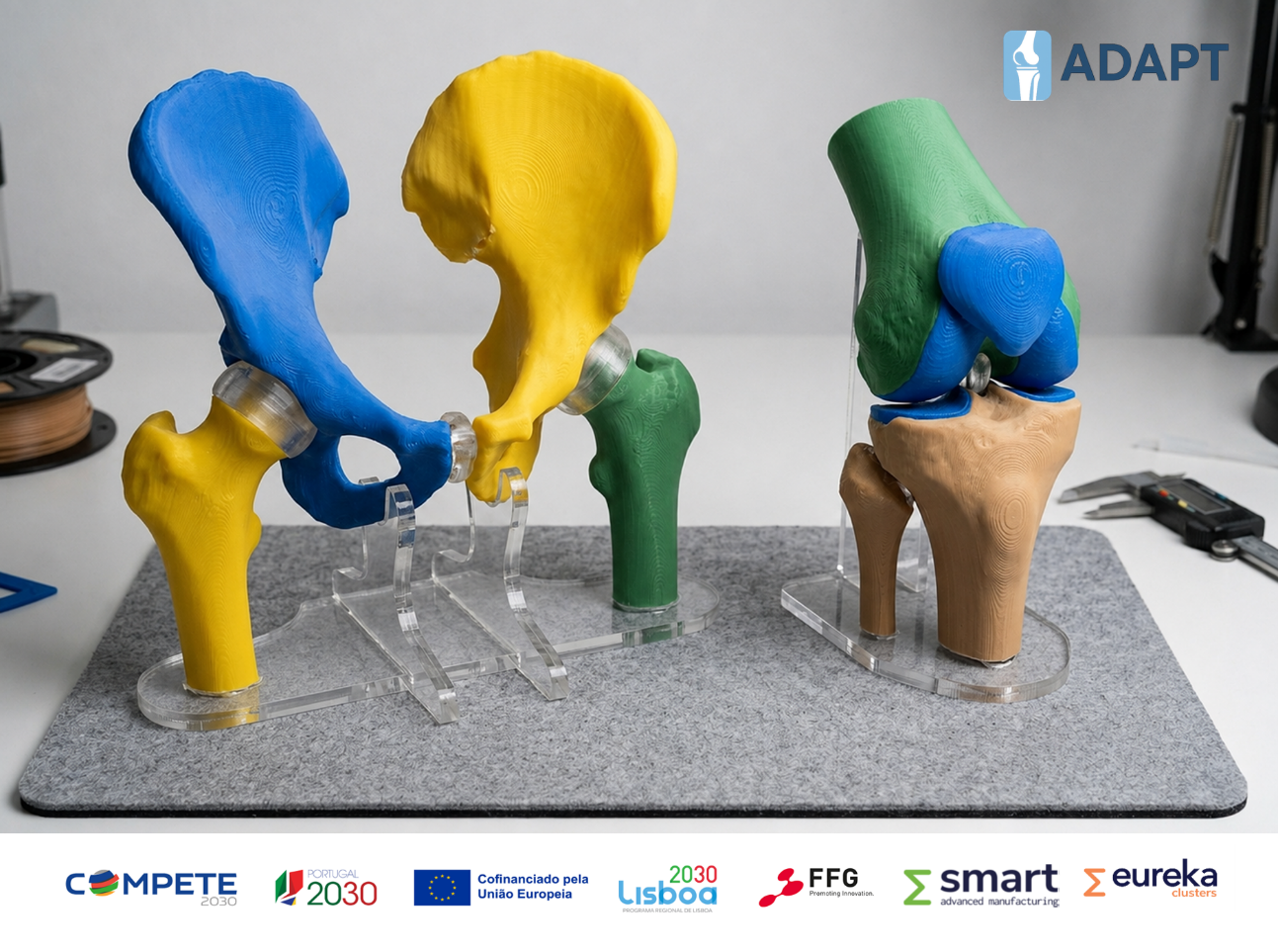
From Imaging to Surgical Planning: The Clinical Value of Bone Models in Personalised Arthroplasty
Personalised arthroplasty begins long before the operating theatre. It begins with understanding the patient’s anatomy in detail: the shape of the bone, the degree of deformity, the available bone stock, the alignment of the limb, and the specific challenges that may influence implant positioning and surgical execution. In ADAPT, anatomical bone models are not an isolated digital step: they are part of a broader clinical and manufacturing pathway designed to…
-
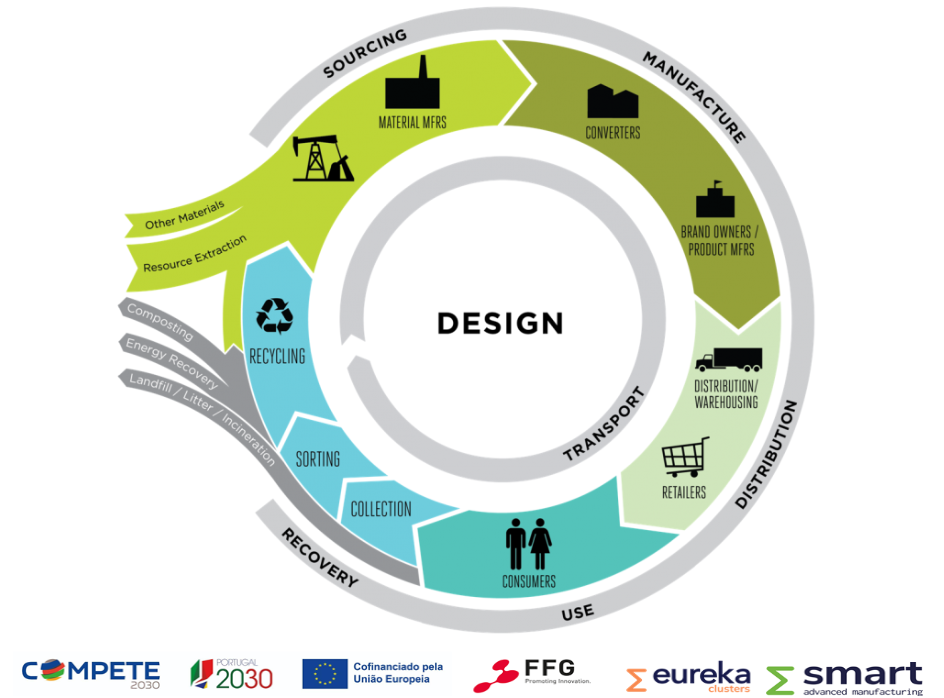
The price of health: life cycle assessment as a tool for sustainable development
For a long time, limitations to product adoption focused on economic viability rather than on effects on the environment and society. With the growing awareness of the environmental consequences of rapid technological development, this is no longer acceptable. Everything has become important. The resources used in a process, water and energy among them, were always vital pieces of a complex technological puzzle. Now, they must be characterized according to source,…